Farm to Heart: Belonging Based Mentoring in Area
The first time I watched a team of strangers arrive at the farm, shoulders high and eyes down, I understood we would start with breath, not speak. The steeds were already grazing in the lower pasture, flipping their ears at the wind. Within minutes of tipping via eviction, people sought out. Steeds do that to us. They request existence without words, and they do it kindly. What occurs following is what I call belonging based mentoring, a method helpful people locate solidity inside themselves while standing in genuine connection with pets, land, and each other.
Belonging sounds soft till you realize how difficult it is to seem like you truly belong in your very own body, on a group, or with your family members when anxiety, trauma, or a busy mind has actually been running the show. On the farm, we develop that capability action by concrete step. We do it with healing horsemanship and equine-assisted solutions that place partnership at the center, abilities in actual contexts, and area around the edges for safety and security. Some folks come for equine-assisted mentoring around leadership or interaction. Others arrive looking for equine-facilitated health, specifically when talk-only techniques have stalled. We also run experiential discovering with steeds for colleges and offices, and we collaborate on team structure with steeds for firms that prefer to trade an additional boardroom for a pair of interested eyes and four consistent hooves.
What it implies to coach for belonging
Coaching for belonging means the objective is not simply understanding, it is combination. Individuals discover what they really feel, what they require, and exactly how to align their activities with their worths, after that they try it in a living system where comments is sincere. Steeds line up to quality and authenticity. They disengage from combined signals, and they soften when we soften. That is the training arc in miniature.
I keep two concerns before me during sessions. First, what aids this person really feel risk-free adequate to appear honestly. Second, what makes it likely they will exercise this skill at home, work, or institution. We map sessions to every day life. If a moms and dad is learning to set limits without embarassment, we practice routing a steed in a round pen with limits that are clear and kind. If a manager has a hard time to pass on, we established a brief training course with cones and ask a tiny group to obtain an equine from factor A to factor B without touching the rope, which forces nonverbal control and trust fund. The horse increases the lesson by reflecting the team's actual comprehensibility, not their stated plan.
Belonging likewise indicates broadening the circle. Some days one of the most recovery hour is on the barn aisle, brushing an equine alongside a retired next-door neighbor that knows every knot in the hay internet. Shared job, light conversation, the rhythm of a soft brush on a thick wintertime coat, these are not side activities. They are the dirt that feeds change.
Why horses
Horses are victim animals that make it through by attuning to their atmosphere. They check out micro-movements and physiology in a way human beings commonly override. That level of sensitivity is not mystical, it is practiced. When a person with anxiety strolls up, breath high and shallow, a horse may elevate its head or step back. If that same person shifts to a slower exhale, softens their eyes, and premises with their feet, the equine usually mirrors that guideline by decreasing its head, licking and chewing, or shutting its eyes. The psychophysiological feedback is instant and nonjudgmental.
Their size matters as well. You can not fake a feeling of control alongside a 1,000 pound companion. You need to discover it, then interact it with clearness and regard. That reality aids people rectify their assertiveness. A teen that has actually been called defiant can discover to claim space without aggressiveness. A quiet adult can experiment with quantity and direction and understand tranquil management does not suggest little leadership.
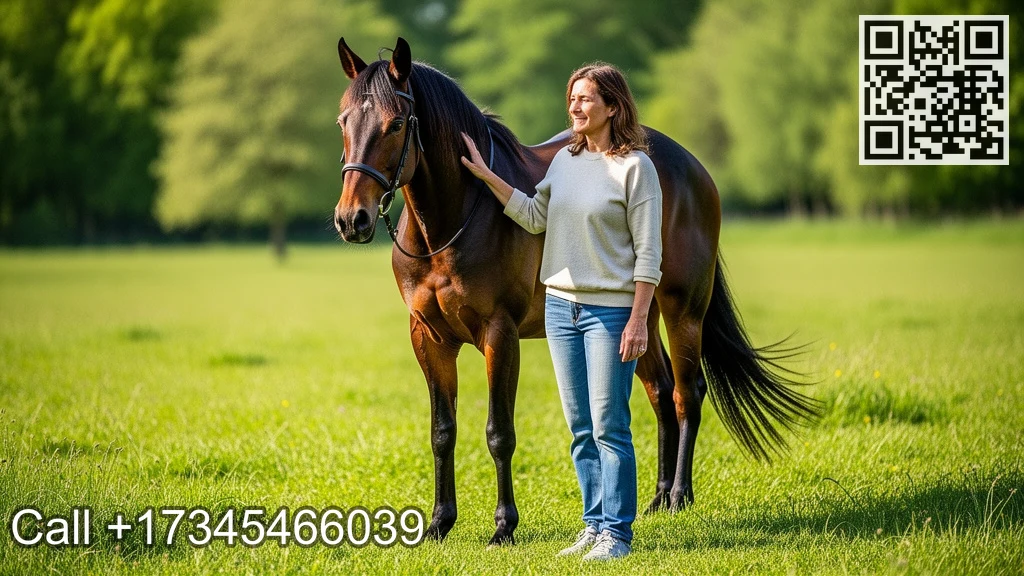
I rely upon horses due to the fact that they gently collapse the distance between what we believe we are doing and what we are in fact doing. They brighten toughness we neglect and radiate light on behaviors that need attention. And they do it in a field that scents like grass, not a fluorescent room that smells like stress.
An early morning on the farm
By 8:30 a.m., the herd has actually submitted down from the upper field to the catch pen. We greet each horse, halter those scheduled for sessions, and allow others to drift back to graze. A volunteer spreads hay in slow feeders, a small detail that sets a calm tone. Clients trickle in by the hour. We keep the routine roomy, because rushing ruins attunement.
One current early morning, I collaborated with a 12-year-old who has ADHD. He has a hard time most with shifts and impulse control at college, where a delay in guidelines turns into a burst of activity that gets him in difficulty. We established a 20-minute task: lead our Haflinger mare via a pattern, time out at cones, after that back 3 actions. I offered him a remote control to mark his own stops prior to asking her to pause. The pairing changed everything. His best session occurred when he practiced a half-second pause, clicked, after that asked. The mare mirrored him cleanly. He finished the pattern with a grin that reached both ears. That is ADHD equine discovering support in action: realtime feedback, a physical support for timing, and a companion who does not take actions personally.
Right after, an adult customer came for anxiety support with steeds. We remained outside the pen. She stood with one foot on the rail, one on the ground, and tracked her breath while calling what she observed in the pasture. Her research was to practice the same stance on her front action twice a day. A month later she claimed this was the first time in years she might feel her heartbeat slow-moving without meds. The ranch did not heal her anxiousness. It gave her a repeatable, somatic doorway to regulation.
What a session looks like
Every program runs in different ways, yet this is the core flow I use for equine-assisted activities and equine-facilitated coaching. It is not rigid. We adapt for age, objectives, period, and energy.
- Arrival and orientation. We walk the space, testimonial permission and cues, confirm boundaries, and choose a steed together based on the day's aims.
- Groundwork first. We begin on the ground unless there is a solid restorative reason to ride. Abilities include leading, yielding hindquarters, backing, and standing in common stillness.
- Focused technique. We add an easy difficulty that fits the coaching objective, such as guiding with cones, liberty operate in a tiny pen, or a grooming series with a specific communication cue.
- Reflect and web link. We debrief with concrete language. What did you discover in your body. What did the horse do when you exhaled. Where does this program up at home or work.
- Close and treatment. We close with three excellent strokes of a soft brush, provide the horse a moment to launch, and return tack nicely. Care routines matter. They educate completion.
On team days, this circulation scales. Teams rotate through terminals, and we maintain tasks brief so energy remains high. In team building with equines, I frequently appoint a single person as the viewer that can not speak, only document. Their notes come to be gold when we reflect on whose voice filled the space and whose did not.
Ethics, safety, and scope
Good ranches do not deal with horses as devices or people as projects. They hold a strong safety and security society and a clear scope of method. Our approach mixes therapeutic horsemanship with psychological wellness methods, yet we are not a medical facility. When clients require medical oversight, we collaborate with licensed companies. When the work is mentoring instead of therapy, we note that clearly and prevent wandering into locations finest taken care of by a clinician.
We screen for warnings. Fresh head injuries, unrestrained seizures, and intense psychosis are not ideal for this setup. We look for allergic reactions, background with animals, and substance make use of that can hinder safety. We likewise inquire about what aids a person relax and what does not, then we develop from there.
Horses need care also. Procedure ought to not overload a delicate gelding or put a green mare in a leadership role she is not ready for. We revolve equines, give them downtime, track their weight and hooves, and listen to our wranglers when they say a steed is tight or grouchy. That is not superstitious notion, it is information from people that read the herd daily.
Somatic understanding, not just talk
I love language, however bodies find out best by doing. Somatic healing with horses appears in the tiny moments. A motorcyclist notices her jaw and stomach soften when she matches the horse's stroll. A male with an injury background feels his spinal column extend when he discovers a clear indeed in his lead rope instead of a pulled command. These are not one-off miracles. They are repeatings that construct new patterns. Research study on heart price variability and co-regulation supports what we see at the rail: when a person clears up, a steed commonly works out, and the connection itself becomes a regulator.
We name sensations and motions, not just ideas. We seek what is too much and what is not enough. We strangle intensity by altering distance from the horse, changing tasks, or moving from the open field to a smaller room. Somatic abilities traveling. A client who learns to stop and feel her feet before asking an equine to relocate can use the very same sign before going into a tough meeting.
Neurodiversity and sensory needs
People on the spectrum and those with sensory handling distinctions usually flourish on farms, provided we integrate in predictability and choice. Our autism equine discovering program keeps the first go to short, 30 to 45 minutes, and emphasizes a clear course: https://www.hhooves.com/inclusivehoovesfarmcamp vehicle parking to gateway to brushing bay to pasture, with aesthetic assistances. Some clients like to start fifteen feet from the herd and function their means closer over weeks. We never ever compel touch. Touch taxes some nerve systems. A lot of finding out occurs just by enjoying a steed take a breath and recognizing soft eyes, degree head, or swishing tail.
Alternative therapy for sensory challenges does not imply deserting proof. It means grounding strategies in what we understand concerning law. For example, we may use much heavier brushes and a stable grooming rhythm to give proprioceptive input, then shift to leading in a silent corner so there is one sound at once. Several moms and dads report that transitions home go smoother after sessions when we finish with a predictable routine, like returning a hoof pick to the very same hook and waving farewell at the exact same fencepost. Tiny routines bring a lot of weight for sensory systems.
ADHD equine learning support looks various. We lean right into movement and timed tasks, like a 90-second focus drill with a clear start and stop. We cut verbal directions in fifty percent and demonstrate initially. We make use of all-natural repercussions, not shaming. If a customer races ahead, the equine stalls. If a customer slows down and breathes, the equine usually follows. The lesson writes itself.
Anxiety, despair, and the long tail of stress
For many adults, anxiety feels like living one step in advance of influence. Equines insist we land where our feet are. Sessions for anxiety support with horses often begin outside the fencing and move in as someone's system permits. We combine breath deal with alignment. Seek to the hills. Notification that dark bay with the white snip. Feel your left heel. Steeds are professionals at titration. When you flood your system, they go back. When you pendulate in between stress and simplicity, they hang in.
Grief asks for time. I have actually worked with customers months after a loss who could not cry in front of household yet located splits slipping out while currying a pony that stalled like an anchor. The cheek pressed to a warm shoulder is not a treatment. It is a place to rest while your body does what it knows exactly how to do.
Leadership and teams that really listen
Workshops on communication land in a different way when your associate is an equine. In equine-facilitated coaching for companies, we avoid metaphors that do not map. We give teams jobs that worry their usual routines. If a team leans on the exact same two loud voices, we develop a workout where those 2 can not talk. If the group avoids problem, we established a choice point where they need to select one of two gateways. Enjoying a group relocate a horse with a narrow room reveals you everything about their decision hygiene.
The finest days finish with people noticing they relied on someone they typically sidestep, or they located a method to support a quieter member's idea due to the fact that the horse clearly reacted better when guidelines were concise. These sessions do not replace technique job. They problem the muscular tissues that strategy depends on.
The area layer
The ranch is not just a solution website. It is a tiny neighborhood. Volunteers cleanse tack and stack hay. A neighborhood school's life skills course comes as soon as a week to fill waters and brush the minis, and they possess those work with satisfaction. A mother that started by viewing from her vehicle currently runs the treat table. People meet at fence lines, and those conversations matter.
We host open barn early mornings month-to-month. No charge, no agenda. You can sit on a hay bundle and beverage coffee while the herd mills. Belonging expands where there is space to be without taking care of. Moms and dads of youngsters in our autism equine discovering program commonly trade sensible pointers on footwear that can take care of mud and classroom sustains that in fact assistance. Teens from our summertime associate come back to reveal new children how to tie a risk-free knot. This cross-pollination belongs to the medicine.
Measuring what matters
Soft end results are actual, yet we still track what we can. Participation rates state a whole lot. If someone that has actually avoided groups shows up 8 out of ten times, that is movement. We use easy pre and post check-ins on stress, self-confidence, and link. We ask for one concrete change in the house or job and comply with up within 30 to 60 days. For teams, we view whether strategies obtain more clear and much faster across sessions. For individuals, we track just how commonly a client can reset within a session and how much time it takes.
We also count horse signs. A herd with reduced incidents of pinned ears, tension yawns, and tail wringing during sessions is a herd with proper workload and good human pairing. Data is moist here. It is the story of what is working.
Cost, accessibility, and sensible expectations
Equine-assisted solutions call for land, pets, and skilled team. That raises costs. We offset with scholarships, gives, and a sliding range, and we companion with area organizations to fund cohorts. Insurance sometimes covers sessions when billed under psychological health and wellness solutions, but coverage varies commonly. Many families mix shorter training obstructs with home practice to extend bucks. We are clear regarding this due to the fact that incorrect hope deteriorates trust.
Progress is seldom linear. Some clients rocket onward in the first four weeks, after that struck a plateau. Others require 6 to 8 sessions prior to anything clicks. We established expectations in varieties, like 6 to twelve weeks for a clear shift in self-regulation skills, with the option to stop and return. Horses teach patience by merely being horses.
Edge situations and thoughtful workarounds
Not everyone suches as equines. Some are sensitive. Others have actually worry rooted in a bad loss or a frightening motion picture. We deal with that. Sessions can take place outside the fence, or with minis who stand knee-high, or totally on the ground without riding. For customers with asthma during hay season, we arrange early and work far from the barn aisle. If concern is the primary training topic, we make the steed the context, not the target. The win is not touching a nose. The win is acknowledging your signals and deciding that values them.
Trauma backgrounds need terrific treatment. Dissociation prevails. I watch for glazed eyes and long blinks, after that slow the session and support feeling. We maintain approval active, not locked in a form. If a customer begins to override themselves to please me or the team, we quit. That designs the sort of belonging that does not require self-abandonment.
How to select a great program
A shiny website is not evidence. These checkpoints will aid you veterinarian an equine program before you commit.
- Clarity on scope. They can explain whether they provide equine-assisted training, equine-facilitated health, or healing horsemanship, and which team hold which licenses.
- Horse-first practices. Inquire about herd rotation, day of rest, and exactly how they determine which horse collaborates with whom and why.
- Safety that is tranquil, not stiff. They must cover helmets, entrances, and emergency situation plans without scaring you into compliance.
- Measurable goals. They will certainly aid you name two or three concrete purposes and how they will track them.
- Fit and authorization. They welcome you to attempt a session, then make a decision, and they respect no without pressure.
Through the seasons
Spring adventures high. Steeds dropped wintertime layers like clouds and children race to see that can make the most significant pile of soft hair. We set much shorter training courses because power runs wild. By summertime, the herd stretches in the shade and sessions decrease. We trade midafternoon warm for mornings, and everybody discovers to check out an equine that claims, no thanks, it is too warm to think. Fall brings crisp air and the best working days. Individuals enter their learning with steadier feet. Winter is for quiet groundwork in the interior or lengthy strolls along the fencing line, covered in woollen with breath hanging like fog. The job changes with the weather condition, which seasonality steadies individuals that have actually seemed like life is one long fluorescent hum.
What adjustments when belonging takes root
Belonging based training is not about mastering an equine. It has to do with finding constant ground inside on your own, then associating easily to a world that does not constantly meet you halfway. I have actually enjoyed a 9-year-old who melted down at institution become the child who advises others to breathe before leading a pony right into the arena. I have viewed a group that sniped in e-mail beginning to ask much better concerns in person since the equine declined to relocate when they talked over each other. I have enjoyed a papa who had actually not embraced his kid in years brush a draft horse together with her, and word by word, brush stroke by brush stroke, they uncovered how to be beside each other.
The ranch does not take care of people. It invites them to belong to themselves, to every other, and to a landscape that maintains honest time. Horses satisfy us where we are, and if we listen, we learn to do that for one another. That is the heart of equine-facilitated mentoring, and it is the factor I still pull on muddy boots with a smile prior to sunrise.
Happy Hooves Wellness
9177 Gross Rd, Dexter, MI 48130
+17345466039
https://www.hhooves.com/